



Original Research
Blended Task-Based Language Teaching in Maritime English: Voices of Indonesian Seafarer Upgrading Program Students


- Abstract
- Full text
- Metrics
Blended learning in maritime education, particularly in the Seafarer Upgrading Program, faces challenges in adapting effective teaching methods for Maritime English (ME) instruction. A promising approach, Blended Task-Based Language Teaching (B-TBLT), combines Task-Based Language Teaching (TBLT) with blended learning environments. However, limited studies have explored students' perspectives on its implementation. This study endeavours to investigate students’ perceptions of B-TBLT in ME teaching. Data were collected from twenty Deck Officer Class IV students who were enrolled in ME instruction with B-TBLT using a mixed-method approach. This was achieved through questionnaires and interviews. The results indicate that students perceive B-TBLT positively, particularly in improved language skills, satisfaction and engagement, task relevance to real-world applications, and the role of technology. Moreover, the students expressed favourable views on the blended learning format, as it helped them increase independence and collaboration. Despite these positives, challenges related to time management and learning balance were identified. These findings underscore the potential of B-TBLT in ME education and provide implications for improving blended learning strategies in specialized training programs, particularly in vocational contexts.

Page 1 of
Download Count : 78
Visit Count : 168
Keywords
Blended-Task Based Language Teaching; Blended Learning; Maritime English; Seafarer Students

Author(s) Information
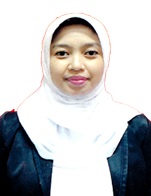
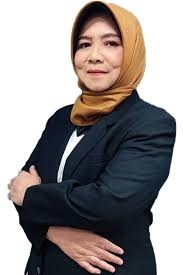

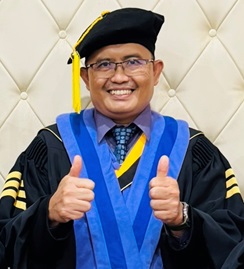
Acknowledgments
We are grateful to the students who participated in this study and shared their experiences with us.
Funding
This study was funded by the Indonesia Endowment Fund for Education (Lembaga Pengelola Dana Pendidikan), the Ministry of Finance, Republic of Indonesia.
Conflict of Interests
No, there are no conflicting interests.
Open Access
This article is licensed under a Creative Commons Attribution 4.0 International License, which permits use, sharing, adaptation, distribution and reproduction in any medium or format, as long as you give appropriate credit to the original author(s) and the source, provide a link to the Creative Commons license, and indicate if changes were made. You may view a copy of Creative Commons Attribution 4.0 International License here: http://creativecommons.org/licenses/by/4.0/